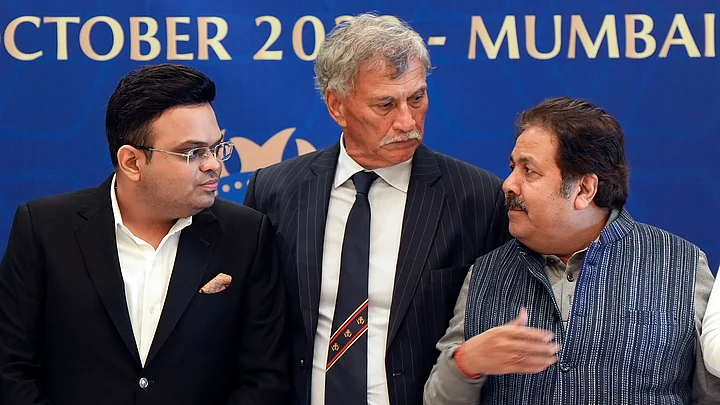
The Board of Control for Cricket in India (BCCI) has been led by several influential administrators since its formation in 1928. These leaders have played important roles in developing Indian cricket, organising international tournaments, strengthening domestic competitions and expanding the board’s financial position.
The history of BCCI Presidents includes politicians, businessmen, members of royal families, cricket administrators and former international players. Some led the board during its early development, while others were associated with major milestones such as India’s 1983 World Cup victory, the launch of the Indian Premier League and important governance reforms.
Difference Between BCCI President and IPL Chairman
The BCCI President and IPL Chairman are two separate administrative positions.
- BCCI President: Leads the Board of Control for Cricket in India and holds its top elected position.
- IPL Chairman: Heads the IPL Governing Council, which oversees the administration and organisation of the Indian Premier League.
- ICC Chair: Leads the International Cricket Council. This is an international position and is different from the BCCI President.
Complete List of BCCI Presidents (1928 to 2026)
The following table presents the chronological list of BCCI Presidents, including acting appointments and repeat tenures.
| No. | President | Tenure |
| 1 | R. E. Grant Govan | 1928 to 1933 |
| 2 | Sir Sikandar Hayat Khan | 1933 to 1935 |
| 3 | Nawab Hamidullah Khan | 1935 to 1937 |
| 4 | Maharaja K. S. Digvijaysinhji | 1937 to 1938 |
| 5 | P. Subbarayan | 1938 to 1946 |
| 6 | Anthony S. De Mello | 1946 to 1951 |
| 7 | J. C. Mukherji | 1951 to 1954 |
| 8 | Maharajkumar of Vizianagram | 1954 to 1956 |
| 9 | Sardar Surjit Singh Majithia | 1956 to 1958 |
| 10 | R. K. Patel | 1958 to 1960 |
| 11 | M. A. Chidambaram | 1960 to 1963 |
| 12 | Maharaja Fatehsinghrao Gaekwad | 1963 to 1966 |
| 13 | Z. R. Irani | 1966 to 1969 |
| 14 | A. N. Ghose | 1969 to 1972 |
| 15 | P. M. Rungta | 1972 to 1975 |
| 16 | Ramprakash Mehra | 1975 to 1977 |
| 17 | M. Chinnaswamy | 1977 to 1980 |
| 18 | S. K. Wankhede | 1980 to 1982 |
| 19 | N. K. P. Salve | 1982 to 1985 |
| 20 | S. Sriraman | 1985 to 1988 |
| 21 | B. N. Dutt | 1988 to 1990 |
| 22 | Madhavrao Scindia | 1990 to 1993 |
| 23 | I. S. Bindra | 1993 to 1996 |
| 24 | Raj Singh Dungarpur | 1996 to 1999 |
| 25 | A. C. Muthiah | 1999 to 2001 |
| 26 | Jagmohan Dalmiya | 2001 to 2004 |
| 27 | Ranbir Singh Mahendra | 2004 to 2005 |
| 28 | Sharad Pawar | 2005 to 2008 |
| 29 | Shashank Manohar | 2008 to 2011 |
| 30 | N. Srinivasan | 2011 to 2013 |
| Acting | Jagmohan Dalmiya | 2013 |
| Acting | N. Srinivasan | 2013 to 2014 |
| Acting | Shivlal Yadav | 2014 |
| Acting | Sunil Gavaskar | 2014 |
| 31 | Jagmohan Dalmiya | 2015 |
| 32 | Shashank Manohar | 2015 to 2016 |
| 33 | Anurag Thakur | 2016 to 2017 |
| Acting | C. K. Khanna | 2017 to 2019 |
| 34 | Sourav Ganguly | 2019 to 2022 |
| 35 | Roger Binny | 2022 to 2025 |
| 36 | Mithun Manhas | 2025 to present |
Individual Profiles of All BCCI Presidents
1. R. E. Grant Govan (1928 to 1933)
R. E. Grant Govan was the first President of the BCCI. He was a British businessman and managing director of Govan Bros. Ltd. He played an important role in establishing the board in December 1928 and representing Indian cricket during its early efforts to gain international recognition.
2. Sir Sikandar Hayat Khan (1933 to 1935)
Sir Sikandar Hayat Khan was an influential political leader from Punjab. He became the second BCCI President during a period when Indian cricket was developing its international identity. His tenure followed India’s first Test appearance in 1932 and covered the early stages of international cricket administration.
3. Nawab Hamidullah Khan (1935 to 1937)
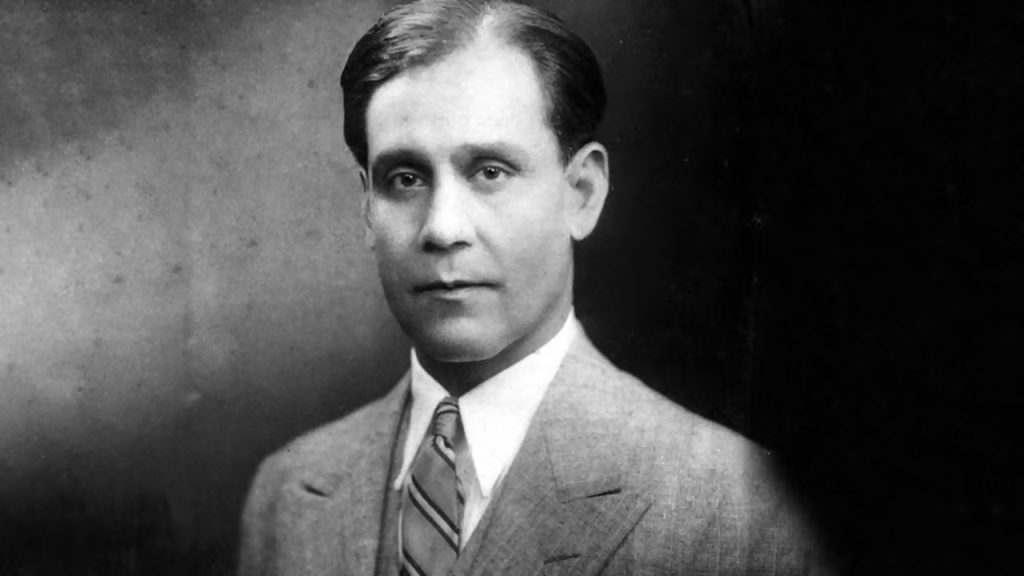
Nawab Hamidullah Khan was the ruler of Bhopal and an important figure in Indian public life. He became BCCI President in 1935. His tenure coincided with India’s growing involvement in international cricket and the 1936 tour of England.
4. Maharaja K. S. Digvijaysinhji (1937 to 1938)
Maharaja K. S. Digvijaysinhji, also known as Jam Saheb of Nawanagar, was the fourth BCCI President. He belonged to the royal family of Nawanagar and was connected to the region’s cricketing tradition. His presidency lasted from 1937 to 1938.
5. P. Subbarayan (1938 to 1946)
P. Subbarayan was an Indian politician and administrator who served as BCCI President for eight years. His tenure covered the Second World War, a period when international cricket faced major interruptions. His eight year continuous presidency remains one of the longest in the board’s history.
6. Anthony S. De Mello (1946 to 1951)
Anthony S. De Mello was one of the founding figures of the BCCI. Before becoming President, he served as the board’s first Secretary and helped establish its administrative structure. He led the organisation during the years immediately following India’s independence in 1947.
7. J. C. Mukherji (1951 to 1954)
J. C. Mukherji became BCCI President in 1951. His tenure covered an important period in Indian cricket, including the country’s first Test victory against England in 1952. India also recorded its first Test series victory against Pakistan during this period.
8. Maharajkumar of Vizianagram (1954 to 1956)
Maharajkumar of Vizianagram, popularly known as Vizzy, was a former Indian Test captain and cricket administrator. He became BCCI President in 1954. His involvement in cricket extended beyond administration, as he had earlier represented India in international cricket.
9. Sardar Surjit Singh Majithia (1956 to 1958)
Sardar Surjit Singh Majithia was a politician and former Indian Air Force officer. He served as BCCI President from 1956 to 1958. His appointment reflected the involvement of public figures and administrators in the development of Indian cricket during the 1950s.
10. R. K. Patel (1958 to 1960)
R. K. Patel became BCCI President in 1958 and remained in the position until 1960. His tenure came during a period when the board continued developing its domestic cricket administration and organising India’s international commitments.
11. M. A. Chidambaram (1960 to 1963)
M. A. Chidambaram was a prominent industrialist and cricket administrator from Tamil Nadu. He played an important role in developing cricket infrastructure in Chennai. The M. A. Chidambaram Stadium, commonly called Chepauk, carries his name in recognition of his contribution.
12. Maharaja Fatehsinghrao Gaekwad (1963 to 1966)
Maharaja Fatehsinghrao Gaekwad was associated with the royal family of Baroda and had a strong interest in cricket. He also played first class cricket. His BCCI presidency lasted from 1963 to 1966, during a period of continued growth in domestic and international cricket.
13. Z. R. Irani (1966 to 1969)
Z. R. Irani served as BCCI President from 1966 to 1969. He was associated with the board’s administration and had previously held the position of BCCI Treasurer. His leadership came during a period when Indian cricket was expanding its international schedule.
14. A. N. Ghose (1969 to 1972)
A. N. Ghose represented the Cricket Association of Bengal and became BCCI President in 1969. He was involved in cricket administration at a time when India was strengthening its domestic structure and preparing for more international competition.
15. P. M. Rungta (1972 to 1975)
P. M. Rungta served as BCCI President from 1972 to 1975. His tenure covered an important stage in the development of limited overs cricket. India made its One Day International debut against England in 1974.
16. Ramprakash Mehra (1975 to 1977)
Ramprakash Mehra represented the Delhi cricket administration and led the BCCI from 1975 to 1977. His presidency came during the early years of international One Day cricket and the expansion of limited overs competitions.
17. M. Chinnaswamy (1977 to 1980)
M. Chinnaswamy was a prominent cricket administrator from Karnataka. He contributed to the development of cricket infrastructure in Bengaluru. The M. Chinnaswamy Stadium was named after him and remains one of India’s recognised international cricket venues.
18. S. K. Wankhede (1980 to 1982)
S. K. Wankhede was a politician and cricket administrator from Maharashtra. He was closely associated with the development of the Wankhede Stadium in Mumbai, which became one of India’s major international cricket venues. He served as BCCI President from 1980 to 1982.
19. N. K. P. Salve (1982 to 1985)
N. K. P. Salve was one of the most influential BCCI Presidents of his era. He led the board when India won the 1983 Cricket World Cup. He also played a significant role in bringing the 1987 World Cup to the Indian subcontinent, making it the first edition hosted outside England.
20. S. Sriraman (1985 to 1988)
S. Sriraman became BCCI President in 1985. His tenure covered the successful organisation of the 1987 Reliance World Cup in India and Pakistan. The tournament marked an important moment in the BCCI’s growing ability to host major international cricket events.
21. B. N. Dutt (1988 to 1990)
B. N. Dutt served as BCCI President from 1988 to 1990 and represented the eastern zone of Indian cricket administration. His tenure followed the success of the 1987 World Cup and came during a period of increasing international competition.
22. Madhavrao Scindia (1990 to 1993)
Madhavrao Scindia was an Indian politician and cricket administrator. He became BCCI President in 1990. His tenure coincided with the growing commercial importance of television broadcasting and the changing financial landscape of international cricket.
23. I. S. Bindra (1993 to 1996)
I. S. Bindra was a major figure in Indian cricket administration. He played an important role in the commercial development of cricket broadcasting and the organisation of the 1996 World Cup in the Indian subcontinent. His presidency helped strengthen the BCCI’s position in international cricket administration.
24. Raj Singh Dungarpur (1996 to 1999)
Raj Singh Dungarpur was a former first class cricketer and respected cricket administrator. He served as BCCI President from 1996 to 1999. He was also associated with the development of the National Cricket Academy, which became an important centre for player development in India.
25. A. C. Muthiah (1999 to 2001)
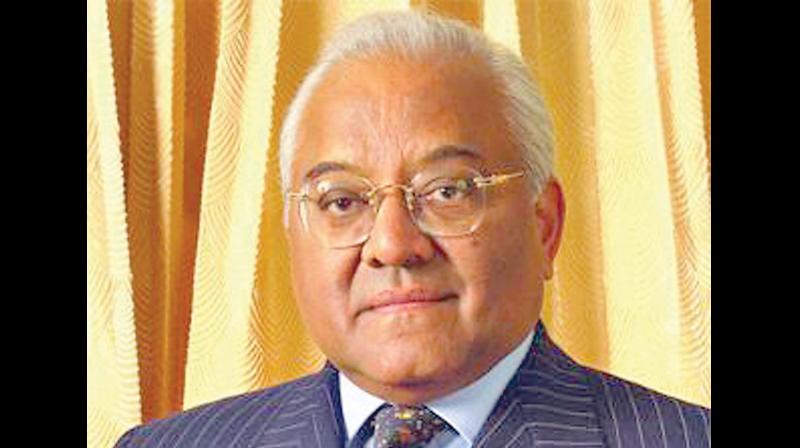
A. C. Muthiah was an industrialist and cricket administrator from Chennai. He became BCCI President in 1999. His tenure covered a difficult period for Indian cricket, particularly the match fixing controversy that emerged around 2000.
26. Jagmohan Dalmiya (2001 to 2004)
Jagmohan Dalmiya was one of the most influential administrators in Indian and international cricket. He helped increase the BCCI’s commercial influence and played a major role in the development of global cricket administration. He later returned as interim President in 2013 and was elected again in 2015.
27. Ranbir Singh Mahendra (2004 to 2005)
Ranbir Singh Mahendra was a cricket administrator from Haryana and the son of former BCCI President B. N. Dutt. He served as BCCI President from 2004 to 2005. His tenure was relatively short, but he remained part of the board’s administrative leadership during a period of growing international and commercial activity.
28. Sharad Pawar (2005 to 2008)
Sharad Pawar is an Indian politician who also held a prominent position in cricket administration. He became BCCI President in 2005. During his tenure, India won the inaugural ICC Men’s T20 World Cup in 2007, and the Indian Premier League was launched in 2008.
29. Shashank Manohar (2008 to 2011)
Shashank Manohar is a lawyer and cricket administrator who became BCCI President in 2008. His tenure covered India’s 2011 ODI World Cup victory. He later served as ICC Chairman, becoming an important figure in international cricket governance.
30. N. Srinivasan (2011 to 2013)
N. Srinivasan is an industrialist and cricket administrator who became BCCI President in 2011. His tenure was affected by controversies surrounding the IPL spot fixing investigation in 2013. He stepped aside from his responsibilities during the investigation and later returned briefly before the Supreme Court intervened.
Acting President: Jagmohan Dalmiya (2013)
Jagmohan Dalmiya returned to the BCCI leadership as interim President in 2013 during the administrative uncertainty surrounding the IPL investigation. His experience as a former President made him an important figure during this period. He was elected to the full time position again in 2015.
Acting President: N. Srinivasan (2013 to 2014)
N. Srinivasan briefly returned to the board’s leadership during the administrative developments of 2013 and 2014. His position remained affected by the Supreme Court proceedings connected to the IPL investigation and the wider questions surrounding BCCI governance.
Acting President: Shivlal Yadav (2014)
Shivlal Yadav was a former India Test cricketer and BCCI administrator. He served as interim President for the board’s non IPL affairs in 2014. His appointment came after the Supreme Court directed changes to the board’s leadership during the IPL investigation.
Acting President: Sunil Gavaskar (2014)
Sunil Gavaskar, one of India’s greatest opening batters, was appointed by the Supreme Court to oversee IPL related affairs during the 2014 season. His appointment was specific to the IPL and formed part of the temporary administrative arrangement during the investigation.
31. Jagmohan Dalmiya (2015)
Jagmohan Dalmiya returned as the full time BCCI President in March 2015. His third period in the leadership role was short because he passed away in September 2015. He remained one of the most recognised administrators in the history of Indian cricket.
32. Shashank Manohar (2015 to 2016)
Shashank Manohar was elected BCCI President again in October 2015 after Dalmiya’s death. He focused on governance and administrative changes during his second term. He resigned in 2016 to take up the position of ICC Chairman.
33. Anurag Thakur (2016 to 2017)
Anurag Thakur became BCCI President in May 2016. He was a politician and cricket administrator associated with the Himachal Pradesh Cricket Association. The Supreme Court removed him from the position in January 2017 over issues connected with the implementation of the Lodha Committee reforms.
Acting President: C. K. Khanna (2017 to 2019)
C. K. Khanna served as acting BCCI President after Anurag Thakur’s removal. He was the board’s senior Vice President and took charge during the period when the Supreme Court appointed Committee of Administrators was overseeing important administrative matters.
34. Sourav Ganguly (2019 to 2022)
Sourav Ganguly is a former India captain and one of the country’s most successful international batters. He became BCCI President in October 2019. His tenure included the COVID 19 pandemic, the organisation of cricket under health restrictions and India’s continued participation in international tournaments.
35. Roger Binny (2022 to 2025)
Roger Binny was a member of India’s 1983 World Cup winning team and a former international all rounder. He became BCCI President in October 2022, succeeding Sourav Ganguly. He served until 2025, when Mithun Manhas was elected as the next President.
36. Mithun Manhas (2025 to Present)
Mithun Manhas is the current BCCI President as of November 2026. The former Delhi cricketer was elected unopposed at the BCCI’s 94th Annual General Meeting on 28 September 2025. He also represented Jammu and Kashmir in domestic cricket and held administrative responsibilities in the region.
Complete List of IPL Chairmen (2008 to 2026)
The IPL was launched in 2008 and quickly became one of the biggest T20 competitions in world cricket. Its Governing Council manages the tournament’s administration, while the Chairperson leads the council.
| No. | IPL Chairman | Tenure |
| 1 | Lalit Modi | 2008 to 2010 |
| 2 | Chirayu Amin | 2010 to 2011 |
| 3 | Rajeev Shukla | 2011 to 2013 |
| 4 | Ranjib Biswal | 2013 to 2014 |
| 5 | Rajeev Shukla | 2015 to 2018 |
| 6 | Brijesh Patel | 2019 to 2022 |
| 7 | Arun Singh Dhumal | 2022 to present |
Individual Profiles of IPL Chairmen
1. Lalit Modi (2008 to 2010)
Lalit Modi was the founding Chairman and Commissioner of the Indian Premier League. He played a central role in creating the franchise based T20 competition and shaping its early commercial structure. The first IPL season was held in 2008.
2. Chirayu Amin (2010 to 2011)
Chirayu Amin is an industrialist and sports administrator from Vadodara. He took over the IPL leadership after Lalit Modi’s departure in 2010. He served during the league’s early years as it continued to establish its position in international cricket.
3. Rajeev Shukla (2011 to 2013)
Rajeev Shukla is a politician and cricket administrator who became IPL Chairman in 2011. He served during a period when the league faced administrative challenges and scrutiny. He later returned for another term from 2015 to 2018.
4. Ranjib Biswal (2013 to 2014)
Ranjib Biswal is a former cricketer and cricket administrator from Odisha. He served as IPL Chairman from 2013 to 2014. His tenure covered the period when the tournament continued to deal with the administrative impact of the IPL spot fixing investigation.
5. Rajeev Shukla (2015 to 2018)
Rajeev Shukla returned to the IPL leadership in 2015. During his second term, the competition continued to expand its audience and commercial reach. His two separate periods as IPL Chairman make him one of the administrators to have held the position more than once.
6. Brijesh Patel (2019 to 2022)
Brijesh Patel is a former India Test cricketer and cricket administrator. He became IPL Chairman in 2019. His tenure included the COVID 19 period, when the IPL was played in the UAE in 2020 and later returned to India under strict health protocols.
7. Arun Singh Dhumal (2022 to Present)
Arun Singh Dhumal became IPL Chairman in October 2022. Before taking the position, he served as BCCI Treasurer. He continues to lead the IPL Governing Council as of November 2026 and was among the representatives elected to the council at the BCCI’s September 2025 AGM.
Who Is the Current BCCI President in 2026?
Mithun Manhas is the current BCCI President. He was elected on 28 September 2025 at the board’s 94th Annual General Meeting. He succeeded Roger Binny, who had served as President since October 2022.
Who Is the Current IPL Chairman in 2026?
Arun Singh Dhumal is the current IPL Chairman. He has led the IPL Governing Council since October 2022. His role is separate from the BCCI President and focuses on the administration of the Indian Premier League.
Conclusion
The history of BCCI Presidents and Chairmen shows how Indian cricket has developed since 1928. From the founding leadership of R. E. Grant Govan and Anthony De Mello to influential administrators such as N. K. P. Salve and Jagmohan Dalmiya, each period has contributed to the board’s growth.
Today, Mithun Manhas leads the BCCI, while Arun Singh Dhumal heads the IPL Governing Council. Their positions represent two important parts of Indian cricket administration.
Frequently Asked Questions
R. E. Grant Govan was the first President of the BCCI. He took office when the board was established in December 1928.
Mithun Manhas is the current BCCI President. He was elected on 28 September 2025.
Arun Singh Dhumal is the current IPL Chairman. He has led the IPL Governing Council since October 2022.
P. Subbarayan served as BCCI President from 1938 to 1946. His eight year tenure is the longest continuous presidency in the commonly published list.
No. The BCCI President leads the cricket board, while the IPL Chairman heads the IPL Governing Council. These are separate positions.