
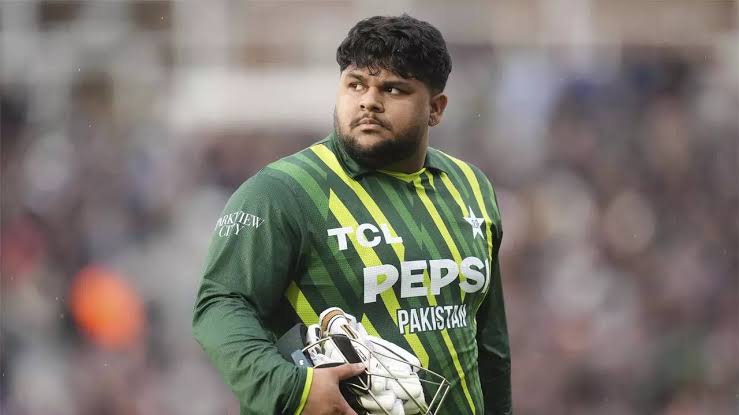
Pakistan has produced some of cricket’s finest wicketkeepers. From Imtiaz Ahmed and Wasim Bari to Moin Khan, Rashid Latif, Kamran Akmal and Mohammad Rizwan, the country has a rich history of dependable glovemen who also contributed with the bat. Several of them became national captains and played important roles in major victories.
The Pakistan wicketkeeping story has changed with every generation. Earlier players focused heavily on their work behind the stumps, while modern keepers are expected to score quickly, build partnerships and perform consistently across all three formats. Here is a look at Pakistan’s greatest wicketkeepers, their records and the players shaping the next generation.
Pakistan Wicket Keepers: Past and Present
Pakistan’s wicketkeeping history began with Hanif Mohammad, who kept wickets in the country’s first three Test matches in 1952. Imtiaz Ahmed soon established himself as a specialist and became one of the most important players in the early years of Pakistan cricket.
The following table highlights some of Pakistan’s leading wicketkeepers and their international dismissal records across Tests, ODIs and T20Is.
| Player | Career Span | Catches | Stumpings | Total Dismissals |
| Kamran Akmal | 2002 to 2017 | 368 | 85 | 453 |
| Moin Khan | 1990 to 2004 | 341 | 93 | 434 |
| Sarfaraz Ahmed | 2007 to 2023 | 315 | 56 | 371 |
| Rashid Latif | 1992 to 2003 | 301 | 49 | 350 |
| Mohammad Rizwan | 2015 to present | 295 | 29 | 324 |
| Wasim Bari | 1967 to 1984 | 253 | 37 | 290 |
| Saleem Yousuf | 1982 to 1990 | 172 | 35 | 207 |
| Imtiaz Ahmed | 1952 to 1962 | 74 | 16 | 90 |
Figures are international wicketkeeping dismissals. Mohammad Rizwan’s figures are updated using available career records through November 2026. Career matches and matches in which a player actually kept wickets are different measures.
How Pakistan’s Wicketkeeping Changed Through the Years
1. The Pioneers: Hanif Mohammad and Imtiaz Ahmed
Hanif Mohammad was Pakistan’s first Test wicketkeeper. He performed the role in the team’s opening three Tests against India in 1952. However, he was primarily known for his batting.
Imtiaz Ahmed took over the gloves and became a regular member of the side. He played 38 Tests between 1952 and 1962, recording 74 catches and 16 stumpings. His most memorable achievement came in October 1955, when he scored 209 against New Zealand. It was the first Test double century by a wicketkeeper.
Imtiaz helped establish wicketkeeping as a specialist role in Pakistan cricket. His batting ability also showed that a keeper could make a major contribution with the bat.
2. Wasim Bari and the Era of Reliable Glovework
Wasim Bari is widely regarded as one of Pakistan’s finest traditional wicketkeepers. He represented the country from 1967 to 1984 and played 81 Test matches, the longest Test career among Pakistan’s wicketkeepers.
Bari finished his Test career with 228 dismissals, including 201 catches and 27 stumpings. He remains Pakistan’s leading wicketkeeper in Test dismissals. His seven catches in an innings against New Zealand at Auckland in 1979 remain a remarkable achievement.
Bari was known for his safe hands, concentration and ability to handle both fast bowlers and spinners. His performances earned him recognition among the finest specialist wicketkeepers of his generation.
3. Saleem Yousuf and the 1980s
Saleem Yousuf became an important part of Pakistan’s wicketkeeping setup during the 1980s. He played 32 Tests and recorded 104 dismissals, including 91 catches and 13 stumpings.
He was a dependable presence behind the stumps and contributed useful runs in the lower order. Anil Dalpat also represented Pakistan during this period and became the country’s only non Muslim Test wicketkeeper.
4. Moin Khan and Rashid Latif: A Memorable Rivalry
The 1990s brought two outstanding wicketkeepers into Pakistan cricket: Moin Khan and Rashid Latif. Both were excellent glovemen, but their styles and strengths were different.
Moin was an aggressive batter who could change the pace of an innings. He played an important role in Pakistan’s 1992 Cricket World Cup triumph and later captained the national side. Across international cricket, he recorded 434 dismissals, including 341 catches and 93 stumpings.
Rashid Latif was admired for his agility, anticipation and sharp work against spin bowling. He played 37 Tests and 166 ODIs, finishing with 350 international dismissals. His contribution behind the stumps made him one of Pakistan’s most respected wicketkeepers.
Their competition for the national place became one of the defining features of Pakistan cricket during that period.
5. The Kamran Akmal Era
Kamran Akmal brought an attacking approach to Pakistan’s wicketkeeper batter role. He made his international debut in 2002 and represented Pakistan across Tests, ODIs and T20Is until 2017.
Akmal finished with 453 international dismissals, the highest total by a Pakistan wicketkeeper in the combined formats. His record includes 368 catches and 85 stumpings.
He was also a productive batter, scoring six Test centuries and five ODI centuries. However, his keeping performances attracted criticism at different stages of his career.
His brothers Adnan Akmal and Umar Akmal also appeared as wicketkeepers. Adnan was a specialist keeper who played 21 Tests, while Umar was primarily a batter and occasionally performed wicketkeeping duties.
6. Sarfaraz Ahmed and the 2017 Champions Trophy
Sarfaraz Ahmed became Pakistan’s first choice wicketkeeper during the 2010s. His leadership reached its biggest moment in 2017 when Pakistan defeated India in the Champions Trophy final at The Oval.
He was a useful middle order batter and a sharp wicketkeeper. Sarfaraz finished his international career with 371 dismissals, comprising 315 catches and 56 stumpings. He also scored 3,031 runs in Test cricket, the highest Test run total by a Pakistan wicketkeeper.
His ability to lead the team and contribute with the bat made him one of the most influential keepers in Pakistan’s modern history.
Who Is Pakistan’s Current Wicketkeeper in 2026?

Mohammad Rizwan remains one of Pakistan’s most established wicketkeeper batters. He has represented the country in all three international formats and combines reliable work behind the stumps with consistent batting.
As of November 2026, Rizwan has played 47 Tests, 103 ODIs and 106 T20Is. His international keeping record stands at 295 catches and 29 stumpings, giving him 324 dismissals.
Pakistan has also started giving opportunities to younger players. Muhammad Ghazi Ghori made his Test debut against England at Edgbaston on 9 September 2026. Saad Baig has also entered the Test squad as a wicketkeeper batter.
Other names in Pakistan’s white ball and development setups include Mohammad Haris, Usman Khan and Haseebullah Khan. Their opportunities depend on team combinations, format requirements and selection decisions.
Pakistan’s Test Wicketkeeping Records
Test cricket provides a useful way to compare specialist wicketkeepers because it highlights their performances over longer matches. Wasim Bari continues to lead Pakistan’s historical list.
| Rank | Wicketkeeper | Test Matches | Dismissals |
| 1 | Wasim Bari | 81 | 228 |
| 2 | Kamran Akmal | 53 | 206 |
| 3 | Sarfaraz Ahmed | 54 | 182 |
| 4 | Moin Khan | 66 | 147 |
| 5 | Mohammad Rizwan | 46 | 133 |
These figures show how different generations contributed to Pakistan’s Test cricket success. Bari’s longevity helped him build the highest total, while Kamran Akmal recorded an impressive 206 dismissals in only 53 matches. Rizwan’s record is still active and may change with future appearances.
What Makes Pakistan’s Great Wicketkeepers Special?
Pakistan’s best wicketkeepers have offered more than safe hands. Their impact can be understood through three important qualities:
- Consistency behind the stumps: Wasim Bari, Moin Khan and Rashid Latif built reputations through reliable catching and sharp stumpings.
- Batting contributions: Imtiaz Ahmed, Kamran Akmal, Sarfaraz Ahmed and Mohammad Rizwan proved that wicketkeepers can also influence matches with the bat.
- Leadership: Several Pakistan wicketkeepers, including Imtiaz Ahmed, Wasim Bari, Moin Khan and Sarfaraz Ahmed, went on to captain the national team.
The modern game demands all these qualities together. A wicketkeeper must be technically sound, physically fit and capable of contributing in different batting situations.
Conclusion
Pakistan’s wicketkeeping history includes several generations of outstanding players. Imtiaz Ahmed established the role, Wasim Bari set the standard for specialist keeping, and Moin Khan and Rashid Latif created a memorable rivalry. Kamran Akmal and Sarfaraz Ahmed carried the role into the modern era, while Mohammad Rizwan continues to lead the current generation. With young options such as Ghazi Ghori and Saad Baig entering the setup, Pakistan’s wicketkeeping future remains promising.
Frequently Asked Questions
Hanif Mohammad was Pakistan’s first Test wicketkeeper. He kept wickets in the country’s first three Test matches in 1952.
Wasim Bari is widely regarded as one of Pakistan’s greatest specialist wicketkeepers. He holds the country’s Test record with 228 dismissals.
Kamran Akmal holds the highest combined international dismissal tally among Pakistan wicketkeepers, with 453 dismissals.
Mohammad Rizwan remains an established wicketkeeper batter for Pakistan. Younger options include Ghazi Ghori, Saad Baig, Mohammad Haris and Usman Khan.
Sarfaraz Ahmed holds the record for the most Test runs by a Pakistan wicketkeeper, with 3,031 runs.